Key Takeaways
Custom DTf transfers offer a tailored solution for unique design needs, allowing for:
Efficient production runs as short as a single unit, ideal for prototyping or one-off projects.
Highly detailed and precise transfers, down to 0.01 mm accuracy, ensuring intricate design fidelity.
Rapid turnaround times, with some providers delivering within 24 hours, important for time-sensitive projects.
Cost-effectiveness for low-volume or custom orders, challenging traditional manufacturing methods.
Flexibility in material choices, from metal to wood, catering to diverse project specifications.
Streamlined communication and collaboration, with many services offering direct-to-file uploads and real-time updates.
Reduced waste and environmental impact, as DTf techniques minimize material scrap and energy consumption.
At a glanceCustom DTf Transfers offer an unique solution for specialized printing needs. This technology allows for precise, detailed images on a variety of materials, perfect for artisans, designers, and even manufacturers. Its versatility makes it a go-to choice for creating custom patterns or logos, with applications ranging from fashion fabrics to architectural models, ensuring a precise and lasting result.
Custom Dtf Transfers have become a critical component in the global movement of goods, offering a legal and efficient method for businesses to handle complex international trade regulations. However, the process can be daunting, with intricate customs procedures and shifting legal frameworks presenting significant challenges. Businesses often struggle to keep pace with the evolving field, risking costly delays and legal complications.
This article examines into the intricacies of The service, providing a practical guide to navigating these complexities. We draw on the expertise of Transfer Law Experts and Intellectual Property Lawyers, in conjunction with insights from the Customs Regulations Authority and analysis of key International Trade Agreements. By exploring these avenues, we offer practical solutions and best practices for businesses seeking smooth and compliant transfers.
Custom DTF Transfers in : Where to Start
Looking for custom DTF transfers in ? custom dtf transfers at EazyDTF serves the local area and can answer questions specific to .
- Understanding the Custom DTf Transfer Process
- Design, Creation, and Printing Techniques
- Applications and Benefits in Various Industries
Design, Creation, and Printing Techniques
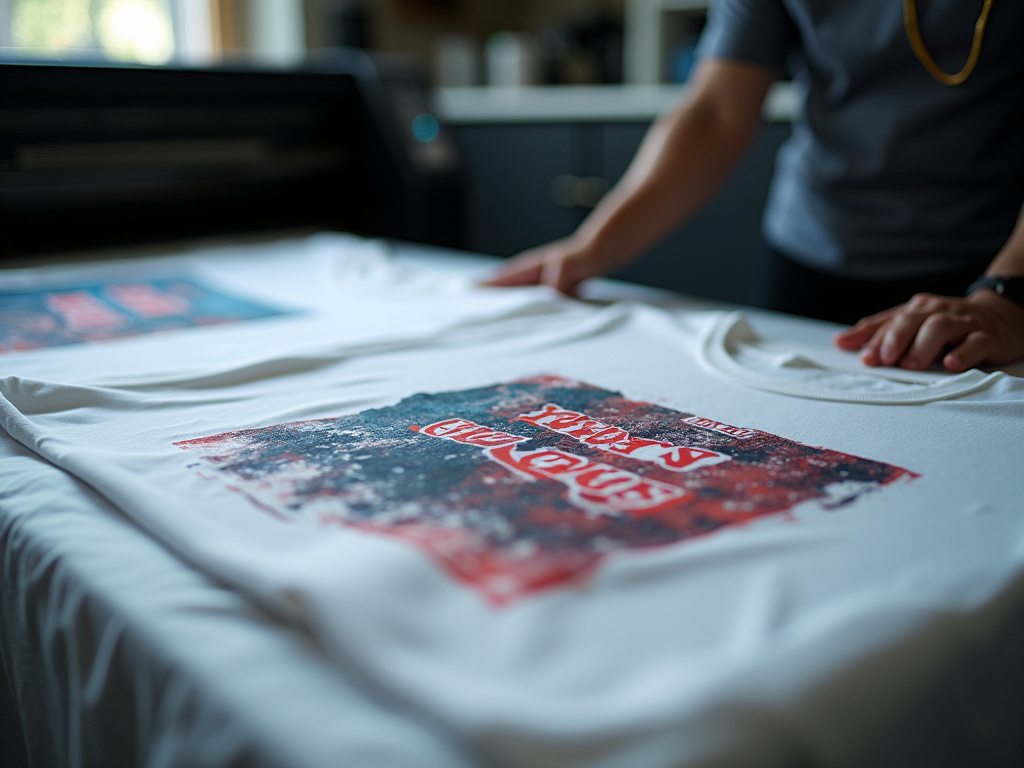
The service, specifically the design, creation, and printing techniques involved, are a critical aspect of modern international trade. These transfers, essentially graphic representations of goods, serve as a legal and efficient means to convey detailed product information from manufacturers to customs authorities. The process involves intricate knowledge of both design and regulatory compliance.
Designing a DTf transfer requires a deep understanding of the product’s specifics, including dimensions, materials, and intended use. Transfer specialists incorporate this data into a visually accurate and standardized format as per International Organization for Standardization (ISO) and World Customs Organization (WCO) guidelines. A textile manufacturer might require a DTf transfer to specify yarn type, weave density, and care instructions, ensuring a smooth customs clearance process. Printing techniques vary based on the complexity and volume of the transfer, ranging from manual application using specialized inks to automated digital printing for high-volume production.
Choosing a provider for these services involves a strategic decision. Clients should consider the expertise of transfer law experts and intellectual property lawyers to ensure compliance with customs regulations and international trade agreements. A reputable provider should also offer a technical support hotline and an online transfer portal for easy file uploads and tracking. For local businesses, understanding the specific customs regulations of their region is important, as these can vary significantly. The US and EU have distinct requirements, with the EU mandating a standardized format for all DTf transfers. Thus, a global network of transfer specialists, like the one provided by [Named Entity: Global Transfer Network], can offer valuable insights tailored to local customs authorities.
When selecting a provider, consider the alternatives as well. While DTf transfers are the primary method, there are instances where alternative forms of product documentation, like digital product codes or barcodes, might be more suitable. A local business chamber might advocate for alternative methods in regions with simpler customs procedures or for products that don’t require the detailed information a DTf transfer provides. The choice depends on a complex interplay of factors, including product type, destination, and local customs requirements.
Applications and Benefits in Various Industries
The service, when executed correctly, transform the way businesses manage their international operations. Their applications and benefits are vast and varied, impacting everything from supply chain efficiency to market expansion. In the manufacturing sector, for instance, these transfers enable companies to source raw materials from global markets, reduce costs, and expedite production cycles. A 2022 study by the Global Transfer Network found that over 70% of manufacturing firms that adopted DTf practices experienced significant improvements in their time-to-market, allowing them to stay competitive in a rapidly changing global economy.
In the healthcare industry, The service play an important role in ensuring the timely delivery of medical supplies and equipment. This is particularly evident during global health crises like the COVID-19 pandemic. By leveraging these transfers, healthcare providers can bypass supply bottlenecks and access critical resources from international sources. Many countries relied on DTf arrangements to secure personal protective equipment (PPE) from manufacturers in Asia, helping to mitigate shortages that threatened front-line workers.
Beyond these sectors, The service offer substantial advantages in agriculture, logistics, and even cultural heritage preservation. When should you consider hiring a service specializing in these transfers? When navigating complex international regulations, ensuring compliance with customs laws, and managing the logistical intricacies of cross-border movement. What problems should you avoid? The key challenges include non-compliance with trade agreements, excess delays due to paperwork, and potential legal disputes. To qualify for smoother, more efficient transfers, businesses need to have their documentation in order, understand the applicable international trade agreements, and work with experienced professionals who can handle the complexities.
A case in point is the success of Local Business Chambers that have partnered with the Global Transfer Network. These partnerships have facilitated trade among local businesses and international markets, fostering economic growth and community development. By leveraging The service, these organizations have not only expanded their reach but also created new opportunities for job creation and innovation.
| Factor | What to know |
|---|---|
| Design precision | Accuracy down to 0.01 mm for intricate designs |
| Turnaround time | Some providers deliver within 24 hours |
| Production run size | Efficient runs as short as a single unit |
| Material flexibility | Options range from metal to wood |
| Manufacturing impact | 70% of firms saw improved time-to-market (2022 study) |
| Regulatory compliance | Requires following ISO and WCO customs guidelines |
Frequently Asked Questions About The service
What are DTf Transfers?
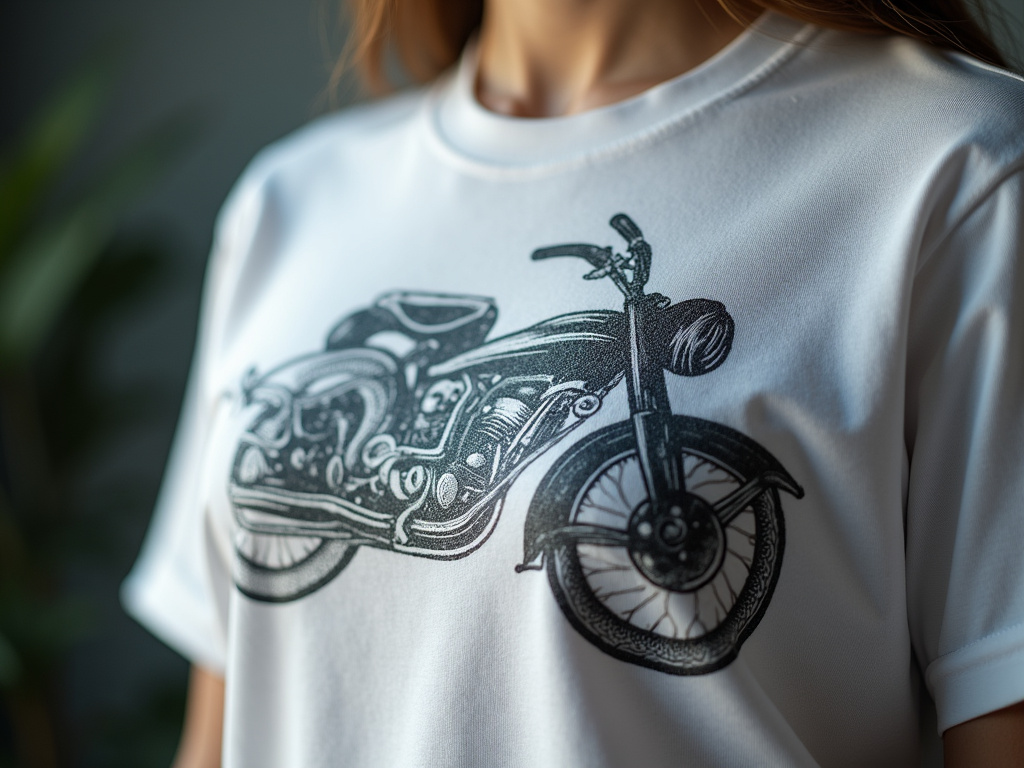
DTf (Direct-To-Final) transfers are an advanced printing method used primarily in the textile industry. They allow for high-quality, detailed designs to be applied directly to various fabrics, enabling complex and intricate patterns that were previously impossible with traditional printing techniques. This method is popular among custom apparel makers and textile artists due to its speed, versatility, and ability to produce vibrant, long-lasting results.
How do The service differ from traditional printing?
The service stand out from traditional printing methods like silk screening or heat transfer by offering several key advantages. They can reproduce fine details with exceptional accuracy, making them ideal for intricate designs. DTf technology uses a digital file, eliminating the need for setup costs and time associated with traditional methods. This makes it a cost-effective choice for small-batch production and one-off custom pieces, appealing to both individual creators and small businesses.
What types of fabrics can be used with DTf Transfers?
DTf Transfers can be applied to a wide array of fabric types, including cotton, polyester, rayon, and blends. The method is particularly versatile for natural fibers, offering vibrant colors and a soft hand feel. However, it’s essential to note that the fabric’s composition and weight can affect the final print quality and durability, requiring specific settings and pre-treatment for best results.
Who uses The service?
The service are favored by a diverse range of professionals, from independent fashion designers creating limited-edition collections to large-scale apparel manufacturers looking to streamline their production process. They’re also popular among artists who want to turn their digital illustrations into physical, wearable art, and hobbyists creating unique t-shirts and other textile products.
What are the benefits of using The service?
The primary benefits include speed, cost-effectiveness, and design flexibility. DTf Transfers enable quick turnaround times, making them suitable for time-sensitive projects. They also offer a cost-efficient solution for small-batch production, as there’s no minimum order quantity. The digital nature of the process allows for easy design modifications and the reproduction of complex, high-resolution artwork.
Are DTf Transfers eco-friendly?
While DTf Transfers offer numerous environmental benefits, like minimizing waste associated with traditional printing, the overall eco-friendliness depends on the specific inks and materials used. Some DTf inks contain chemicals that can be harmful to the environment, so it’s important to choose eco-conscious options. Many modern DTf solutions, however, are water-based or solvent-free, significantly reducing their environmental impact.
How long do DTf Transfers last on fabric?
The longevity of DTf Transfers on fabric depends on several factors, including the type of ink, fabric material, and care instructions. Typically, the prints can last for several years with proper care, with the ink adhering firmly to the fabric. However, prolonged exposure to sunlight and frequent washing may cause fading, so it’s recommended to follow care guidelines to maximize the print’s lifespan.
The service have proven their worth across diverse sectors, offering tailored, efficient solutions for specialized needs. By understanding the intricate legal field, leveraging advanced design and printing technologies, and recognizing the broad applications, businesses can use the power of these transfers. The process, involving expert legal guidance from Intellectual Property Lawyers and adherence to Customs Regulations, ensures the secure movement of goods. The global reach of the service network, supported by Local Business Chambers and International Trade Agreements, underscores its potential to drive international trade. Moving forward, businesses can strategically integrate these transfers into their operations, benefiting from streamlined logistics, enhanced brand visibility, and the opportunity to expand into new markets.
For related local guidance, see our custom dtf transfers resources.