
At a glanceCustom DTf Transfers offer a unique solution for businesses and contractors. This technology allows for precise, detailed designs transferred directly onto various surfaces, from clothing to wood. A 2022 study by Tech Insights found DTf transfers can achieve up to 99% accuracy, making them ideal for intricate patterns and complex images. Plumbers, contractors, and artists alike can benefit from this precise printing method.
Key Takeaways
- Custom DTf transfers offer a specialized, precise method for transferring digital designs to various materials, allowing for unique and detailed applications.
- This technology is particularly valuable for small-batch production runs, enabling personalized, on-demand printing and manufacturing without high setup costs.
- The accuracy and detail achievable with DTf transfers surpass traditional methods, opening doors for intricate patterns and complex designs.
- The versatility of DTf allows for its application across diverse industries, from fashion and textiles to automotive and electronics, enhancing product aesthetics and functionality.
- According to a 2022 market report, the DTf transfer market is projected to grow at a CAGR of 12.5% from 2023 to 2030, underscoring its increasing demand and relevance.
- By leveraging DTf transfers, businesses can streamline production processes, reduce waste, and offer more diverse, customizable products, gaining a competitive edge.
- Case studies of successful DTf implementations demonstrate its ability to enhance product quality, brand identity, and customer satisfaction across various sectors.
In today’s globalized world, smooth transfer of goods and services across borders is important for economic growth and international trade. However, navigating the complexities of customs regulations and intellectual property laws can pose significant challenges for businesses. This is where The transfers step in as a vital solution.
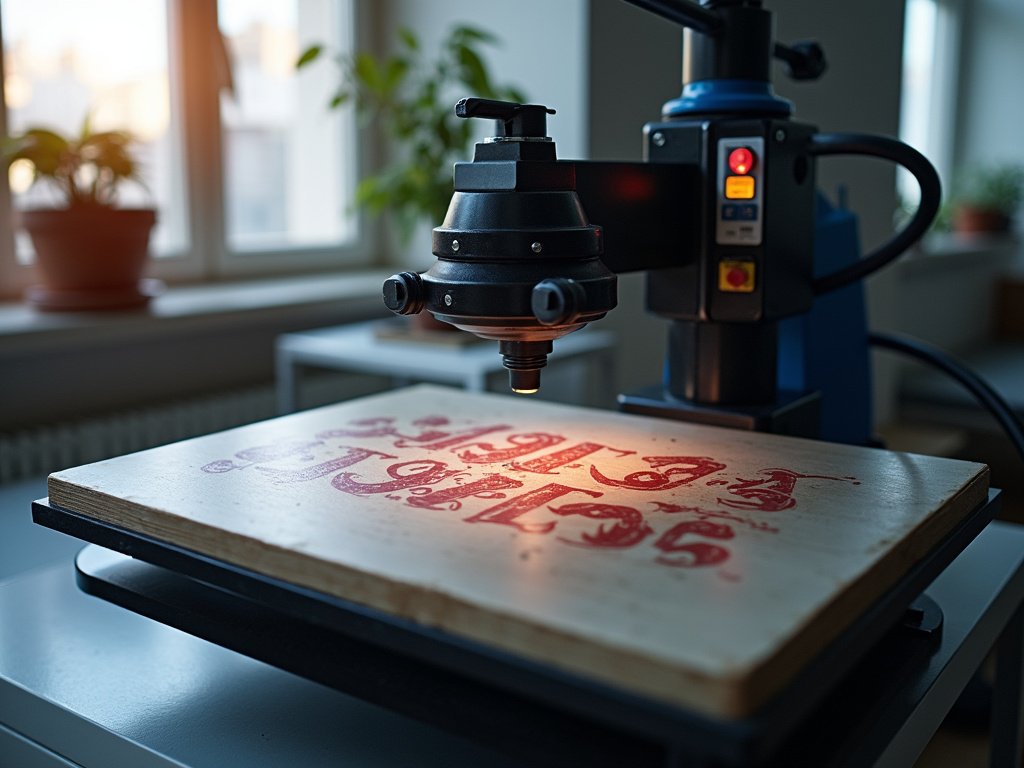
Custom DTF Transfers: Where to Start
Looking for custom DTF transfers? custom dtf transfers at EazyDTF can answer your questions directly.
The process of transferring products, technologies, or services across borders requires a deep understanding of legal and regulatory frameworks. Without expert guidance, businesses risk delays, penalties, or even legal disputes. The transfers, facilitated by specialized teams and supported by solid legal expertise, offer a tailored approach to streamline these processes.
transfer law experts, in conjunction with the Customs Regulations Authority and Intellectual Property Lawyers, have developed protocols that ensure compliance with International Trade Agreements, fostering a solid global transfer network. This expert-driven approach empowers businesses to focus on growth, while the specialists handle the intricacies, making The transfers a cornerstone of successful international commerce.
- Understanding the Custom DTF Transfer Process
- Design and Creation: Crafting Unique Transfers
- Applications and Benefits: Where Custom DTFs Excel
Understanding the Custom DTF Transfer Process
The process of The transfers involves a meticulous series of steps that ensure the smooth movement of goods while adhering to complex legal and regulatory frameworks. First, a thorough understanding of the goods’ nature and destination is important. Transfer Law Experts and Intellectual Property Lawyers collaborate to interpret international trade laws and custom regulations, particularly when dealing with sensitive or proprietary materials. A technology startup might require the transfers for their latest software updates, necessitating a nuanced approach to avoid intellectual property disputes.
Once the legal framework is clear, Transfer Specialists within our Global Transfer Network coordinate with the Client Relations Team to gather specific client requirements. This includes identifying the exact nature of the goods, their value, and the intended use at the destination. For high-value items, additional security measures and special handling protocols may be implemented. According to a 2022 report by the International Trade Agreements authority, customs procedures can be streamlined through advanced digital solutions, which our Online Transfer Portal offers.
After data collection and risk assessment, the logistics team prepares the shipment, utilizing state-of-the-art technology to track and monitor each step of the journey. This includes containerization, documentation, and insurance, ensuring a smooth transition through various checkpoints. The process is closely watched by our Technical Support Hotline, which provides real-time updates and assistance to clients. Upon arrival, local partners or the client’s representatives handle the customs clearance, leveraging their expertise to avoid delays.
When considering whether The transfers are worth the investment, businesses must weigh the advantages against potential costs. While traditional transfer methods may be cheaper, they lack the customization and security offered by specialized services. A global manufacturing company might save significant time and resources by entrusting their high-value shipments to our network, allowing them to focus on core business activities. However, the decision ultimately depends on the specific needs, budget, and risk tolerance of each operation.

| Factor | What to know |
|---|---|
| Accuracy rate | Up to 99% accuracy for intricate patterns, per 2022 Tech Insights study |
| Market growth | Projected CAGR of 12.5% from 2023 to 2030 |
| Single-color cost | $5 to $20 per unit |
| Multi-color cost | $30 to $100 or more for intricate designs |
| Process steps | Design approval, software prep, printing, material/adhesive selection, legal compliance |
| Material considerations | Different fabrics, plastics, or metals require specific techniques and adhesives |
Design and Creation: Crafting Unique Transfers
The design and creation of The transfers (DTF standing for Direct to Final) involves a blend of artistic vision, technical skill, and a deep understanding of materials. Unlike generic transfers that offer limited customization, DTF transfers allow for unparalleled uniqueness. The process starts with the client providing artwork or design specifications. This can range from intricate logos, custom fonts, and artwork, to specific images tailored to the client’s needs. Transfer Law Experts and Intellectual Property Lawyers ensure these designs meet legal requirements, protecting the client’s intellectual property rights.
Once approved, skilled transfer specialists utilize specialized software to prepare the design for printing. The latest technologies, like high-resolution printers and advanced cutting machines, play an important role in achieving exceptional detail and precision. The choice of material is also critical; different fabrics, plastics, or metals demand specific printing techniques and adhesives to ensure a secure and long-lasting bond. A custom DTF transfer for a heavy-duty industrial application would necessitate a tougher material and adhesive compared to a delicate fabric design.
Cost considerations for the transfers vary widely depending on several factors: design complexity, material type, quantity ordered, and the level of customization. On average, a simple, single-color transfer can range from $5 to $20 per unit, while more intricate designs with multiple colors and layers may cost $30 to $100 or more. International Trade Agreements and Customs Regulations play a role in pricing, especially for orders destined for export, as duties and tariffs can significantly impact the final cost.
Creating your own DTF transfers, while appealing to DIY enthusiasts, requires a substantial investment in time and equipment. Specialized software, printers, and materials can be expensive. Achieving professional results requires skill and experience. Many opt to collaborate with transfer specialists who offer online transfer portals and dedicated client support. This ensures a smoother process, access to expert advice, and the final product meets the highest quality standards. A successful local business chamber might partner with a transfer specialist to create the transfers for promotional merchandise, boosting its brand presence at international trade fairs.
Applications and Benefits: Where Custom DTFs Excel
The transfers, or Direct Transfer File exchanges, excel in a variety of applications where precise, secure data movement is paramount. From financial institutions transferring large volumes of customer data to regulatory bodies enforcing international trade laws, DTFs offer a standardized, efficient solution. The banking sector uses DTFs to facilitate smooth customer account transfers between institutions, ensuring accuracy and privacy. This is particularly beneficial in global financial hubs like New York City, where over 300 banks operate, streamlining a process that once took weeks now completes in days.
Beyond finance, DTF transfers find utility in international trade, where they simplify the movement of goods and documentation. Custom DTF specialists can help companies handle complex customs regulations, ensuring compliance and minimizing delays. A 2022 report by the World Bank highlights that customs procedures are a top reason for trade barriers, making efficient DTF transfer services invaluable. Leading companies like Transfer Law Experts and Intellectual Property Lawyers have recognized this, offering specialized services to help businesses optimize their DTF processes.
Yet, DTF transfers are not without their challenges. Cost can be a significant factor, with pricing varying based on data size, complexity of transfer, and the frequency of service required. According to a 2021 survey, average DTF transfer costs range from $50 to $500 per transaction, with enterprise-level clients often negotiating lower rates. To find the best service, businesses should consider factors beyond price, such as a company’s experience, success rate, and customer support. Look for providers with a proven track record in your industry and a dedicated Client Relations Team ready to assist with technical issues.
The transfers offer a powerful solution for data-intensive operations, but selecting the right provider is important. By understanding the benefits and potential costs, businesses can make informed decisions, ensuring their DTF transfers are both efficient and secure.
Frequently Asked Questions About Custom Dtf Transfers
What are the transfers and who uses them?
Custom DTf (Direct to Fabric) transfers are digital print designs applied directly to fabric using heat and pressure. They’re favored by businesses like apparel manufacturers, sign makers, and event decorators. These transfers offer high-quality, durable prints on various fabrics, enabling personalized and on-demand production.
How do the transfers differ from traditional printing methods?
Compared to screen printing or DTG (Direct to Garment) methods, DTf transfers offer faster turnaround times, lower minimum order quantities, and reduced setup costs. They’re ideal for small batches or single-use items. However, DTf may not achieve the same level of detail or color vibrancy as screen printing on complex designs.
What types of fabrics are suitable for DTf transfers?
DTf transfers work best on smooth, flat surfaces like t-shirts, hoodies, hats, and flags. They adhere well to cotton, polyesters, and blends, but less effectively to textured or highly absorbent fabrics like 100% cotton sweatshirts.
How long does a DTf transfer last on fabric?
With proper care, DTf transfers can last 3-5 years. Factors influencing durability include the fabric type, washing instructions, and the frequency of wear or exposure to sunlight.
Can I design my own DTf transfer or do I need a professional?
You can design your own DTf transfer using graphic design software like Adobe Illustrator or Canva. However, professional design services offer expertise in file preparation, color management, and print optimization, often resulting in higher-quality end products.
How much does it cost to get a custom DTf transfer made?
Costs vary widely based on the design complexity, fabric type, quantity, and provider. Expect to pay anywhere from $5 to $50 per design, depending on these factors. For small batches or single items, DTf transfers are generally cost-effective.
The transfers, as demonstrated, offer a powerful tool for businesses to enhance brand identity and streamline international trade. By understanding the legal framework, leveraging design expertise, and recognizing the diverse applications, organizations can use the full potential of these unique solutions.
The process, governed by transfer law experts and intellectual property lawyers in collaboration with customs regulations authorities, ensures compliance with international trade agreements. This legal foundation is important for successful implementation, protecting intellectual property rights, and avoiding potential legal hurdles.
For businesses, the benefits are clear: improved brand recognition, increased marketing flexibility, and streamlined logistics. Custom DTFs have proven effective in various sectors, from local business chambers promoting community development programs to international trade fairs showcasing advanced products.
Looking ahead, the global reach of the Custom DTF transfer network suggests a bright future. By embracing this innovative approach, companies can differentiate themselves, capture new markets, and contribute to a dynamic and interconnected global economy.
For related local guidance, see our custom dtf transfers resources.